By Dina Anderson
 April 17, 2025
Category: Menopause
Share:


 From hot flashes and sleep disturbances to mood swings and bone health concerns, menopause can feel overwhelming. The good news? With the right wellness strategies, you can ease symptoms, maintain vitality, and feel your best during this transition.
By Dina Anderson
April 15, 2025
Category: Menopause
Share:
 Hot flashes are one of the most common and frustrating symptoms of menopause, causing sudden waves of heat, sweating, and discomfort. While they are a natural part of hormonal changes, they can disrupt daily life and sleep.
Many women seek natural remedies to manage hot flashes without relying on hormone replacement therapy or medication. The good news is that lifestyle adjustments, dietary changes, and holistic approaches can help reduce their frequency and intensity.
Hot flashes are one of the most common and frustrating symptoms of menopause, causing sudden waves of heat, sweating, and discomfort. While they are a natural part of hormonal changes, they can disrupt daily life and sleep.
Many women seek natural remedies to manage hot flashes without relying on hormone replacement therapy or medication. The good news is that lifestyle adjustments, dietary changes, and holistic approaches can help reduce their frequency and intensity.

By Dina Anderson
April 14, 2025
Category: Menopause
Share:
 Menopause is a natural transition in a woman’s life, but the hormonal shifts it brings can feel anything but natural. Frustrating symptoms like hot flashes, mood swings, fatigue, and weight gain plague many women. The good news? Achieving hormonal balance during menopause is possible with the right combination of lifestyle changes, natural remedies, and medical support.
 Natural Ways to Restore Hormonal Balance
By Dina Anderson
April 11, 2025
Category: Menopause
Share:
 Menopause is a natural transition, but it often comes with frustrating side effects—one of the most common being fatigue. Many women find themselves feeling drained, struggling to get through the day with the same energy they once had.
This exhaustion isn’t just about getting older; it’s linked to hormonal shifts, sleep disturbances, and metabolic changes. The good news? With the right lifestyle adjustments, nutrition, and natural remedies, you can reclaim your vitality.
Menopause is a natural transition, but it often comes with frustrating side effects—one of the most common being fatigue. Many women find themselves feeling drained, struggling to get through the day with the same energy they once had.
This exhaustion isn’t just about getting older; it’s linked to hormonal shifts, sleep disturbances, and metabolic changes. The good news? With the right lifestyle adjustments, nutrition, and natural remedies, you can reclaim your vitality.

By Dina Anderson
April 10, 2025
Category: Ease Perimenopause
Share:
 Menopause brings significant hormonal changes that can impact metabolism, digestion, and toxin elimination.
If you're looking for a safe and effective way to support your body’s natural detoxification during menopause, it's essential to focus on gentle methods that align with your body's changing needs. Detoxing the right way can help reduce bloating, improve energy levels, and support hormonal balance—without putting additional stress on your system.
Menopause brings significant hormonal changes that can impact metabolism, digestion, and toxin elimination.
If you're looking for a safe and effective way to support your body’s natural detoxification during menopause, it's essential to focus on gentle methods that align with your body's changing needs. Detoxing the right way can help reduce bloating, improve energy levels, and support hormonal balance—without putting additional stress on your system.

By Dina Anderson
April 9, 2025
Category: Menopause
Share:
 Menopause brings many changes, and joint pain is one of the most common complaints. As estrogen levels decline, inflammation increases, leading to stiffness, discomfort, and reduced mobility.
Collagen plays a vital role in maintaining joint health, but its natural production decreases with age. Fortunately, research suggests that supplementing with collagen may help reduce inflammation during menopause, supporting joint function and overall well-being.
Menopause brings many changes, and joint pain is one of the most common complaints. As estrogen levels decline, inflammation increases, leading to stiffness, discomfort, and reduced mobility.
Collagen plays a vital role in maintaining joint health, but its natural production decreases with age. Fortunately, research suggests that supplementing with collagen may help reduce inflammation during menopause, supporting joint function and overall well-being.
By Dina Anderson
March 19, 2025
Category: Menopause
Share:
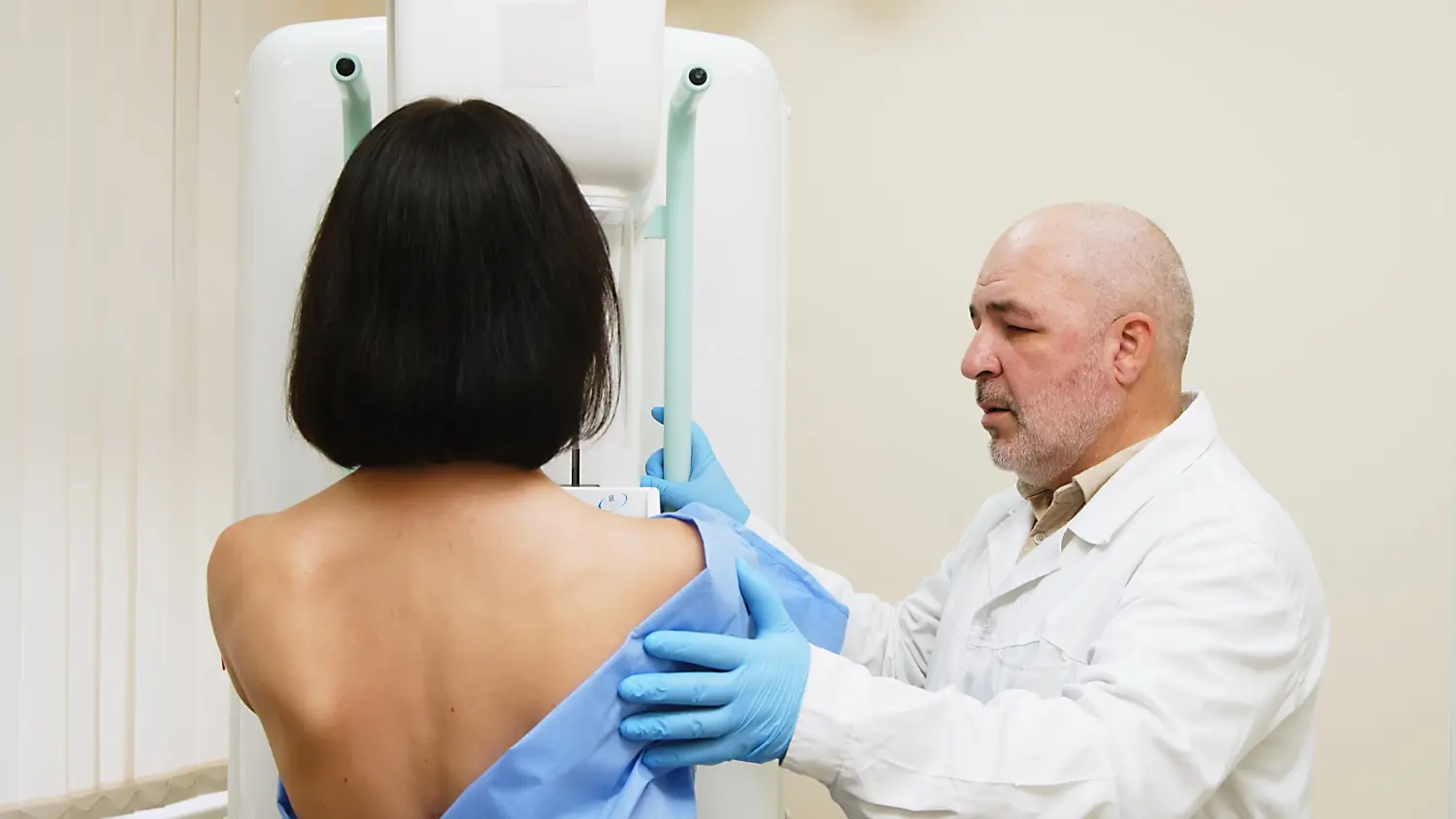
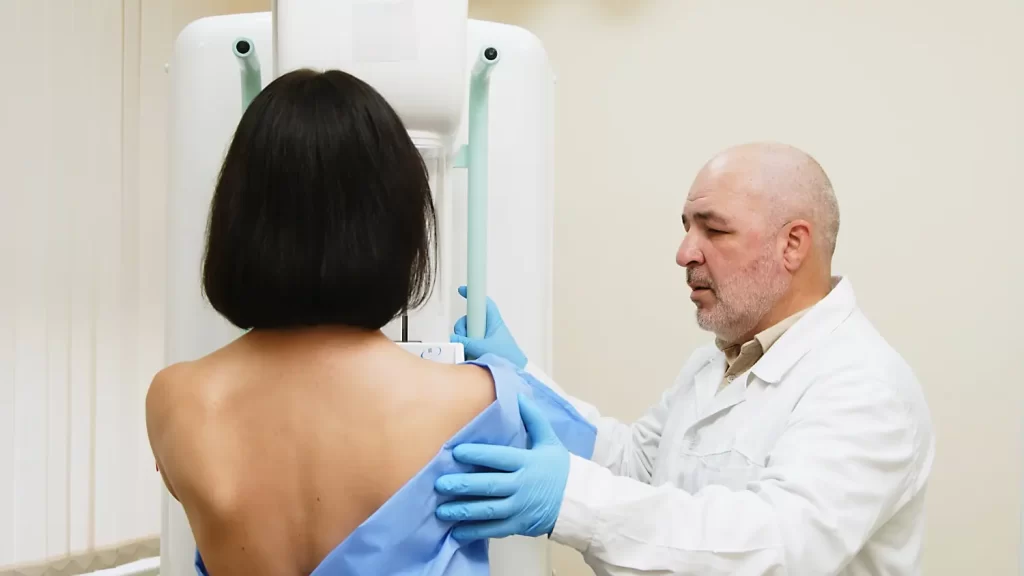 Mammograms are a critical tool for detecting breast cancer, and their importance doesn’t diminish after menopause.
Many women assume that once they reach menopause, their risk of breast cancer decreases or that mammograms become less necessary. However, mammogram menopause screenings remain crucial since postmenopausal women are still at significant risk. Regular screenings play a vital role in early detection and treatment success.
Understanding how menopause affects breast health can help women make informed decisions about their screening routine.
Mammograms are a critical tool for detecting breast cancer, and their importance doesn’t diminish after menopause.
Many women assume that once they reach menopause, their risk of breast cancer decreases or that mammograms become less necessary. However, mammogram menopause screenings remain crucial since postmenopausal women are still at significant risk. Regular screenings play a vital role in early detection and treatment success.
Understanding how menopause affects breast health can help women make informed decisions about their screening routine.
By Dina Anderson
March 14, 2025
Category: Menopause
Share:
 Menopause brings many changes, and, unfortunately, digestive issues—especially constipation—are among the most common but least talked about. Hormonal shifts can slow digestion, alter gut bacteria, and make bowel movements more difficult, leaving many women struggling with discomfort.
The good news? With the right dietary choices, lifestyle adjustments, and natural remedies, you can keep your digestive system running smoothly through menopause.
Let’s start with understanding why menopause affects digestion in the first place.
Menopause brings many changes, and, unfortunately, digestive issues—especially constipation—are among the most common but least talked about. Hormonal shifts can slow digestion, alter gut bacteria, and make bowel movements more difficult, leaving many women struggling with discomfort.
The good news? With the right dietary choices, lifestyle adjustments, and natural remedies, you can keep your digestive system running smoothly through menopause.
Let’s start with understanding why menopause affects digestion in the first place.

By Dina Anderson
March 13, 2025
Category: Menopause
Share:
 Menopause is a natural phase of life that every woman experiences, but the journey isn’t the same for everyone.
Understanding the stages of menopause—from perimenopause to postmenopause—can help you anticipate changes, manage symptoms, and take control of your health. Whether you’re just starting to notice shifts in your body or have already entered menopause, knowing what to expect can make the transition smoother.
Menopause is a natural phase of life that every woman experiences, but the journey isn’t the same for everyone.
Understanding the stages of menopause—from perimenopause to postmenopause—can help you anticipate changes, manage symptoms, and take control of your health. Whether you’re just starting to notice shifts in your body or have already entered menopause, knowing what to expect can make the transition smoother.

By Dina Anderson
March 10, 2025
Category: Menopause
Share:
 Menopause is a transformative phase of life, marking the end of a woman’s reproductive years. However, it often comes with challenges such as hot flashes, mood swings, fatigue, and changes in metabolism.
A well-structured wellness routine can make a significant difference, helping to ease symptoms while promoting long-term health, energy, and emotional balance. By focusing on nutrition, movement, stress management, and self-care, menopausal women can feel empowered and strong during this life stage.
Menopause is a transformative phase of life, marking the end of a woman’s reproductive years. However, it often comes with challenges such as hot flashes, mood swings, fatigue, and changes in metabolism.
A well-structured wellness routine can make a significant difference, helping to ease symptoms while promoting long-term health, energy, and emotional balance. By focusing on nutrition, movement, stress management, and self-care, menopausal women can feel empowered and strong during this life stage.

Related Articles

555 Marriott Drive, Suite 315 - #251,
Nashville, Tennessee 37214


* These statements have not been evaluated by the Food and Drug Administration. This product is not intended to diagnose, treat, cure or prevent any disease.